
New York Inspires

Portrait of a Graduate
What is the Portrait of a Graduate?
The Portrait of a Graduate describes six qualities students should develop before completing high school:
• Creative Innovator
• Critical Thinker
• Effective Communicator
• Global Citizen
• Reflective and Future-Focused
• Academically Prepared
Culturally Responsive-Sustaining Education, or CRSE, is at the center of the Portrait. It helps students feel respected and included while using their experiences and perspectives to make learning stronger and more meaningful.
-
What is CRSE?
_1794339070.png)
Culturally Responsive-Sustaining Education creates learning environments where students feel respected, included, and supported. It recognizes that students bring different cultures, identities, experiences, and viewpoints into the classroom. These differences make learning stronger.
CRSE helps students build respectful relationships with people from different backgrounds. It also encourages students to listen to other viewpoints, think carefully about new ideas, and understand the world beyond their own experiences.
This work is not separate from academic learning. It helps create the conditions students need to participate, take appropriate risks, solve problems, and succeed.
-
What is a creative innovator?
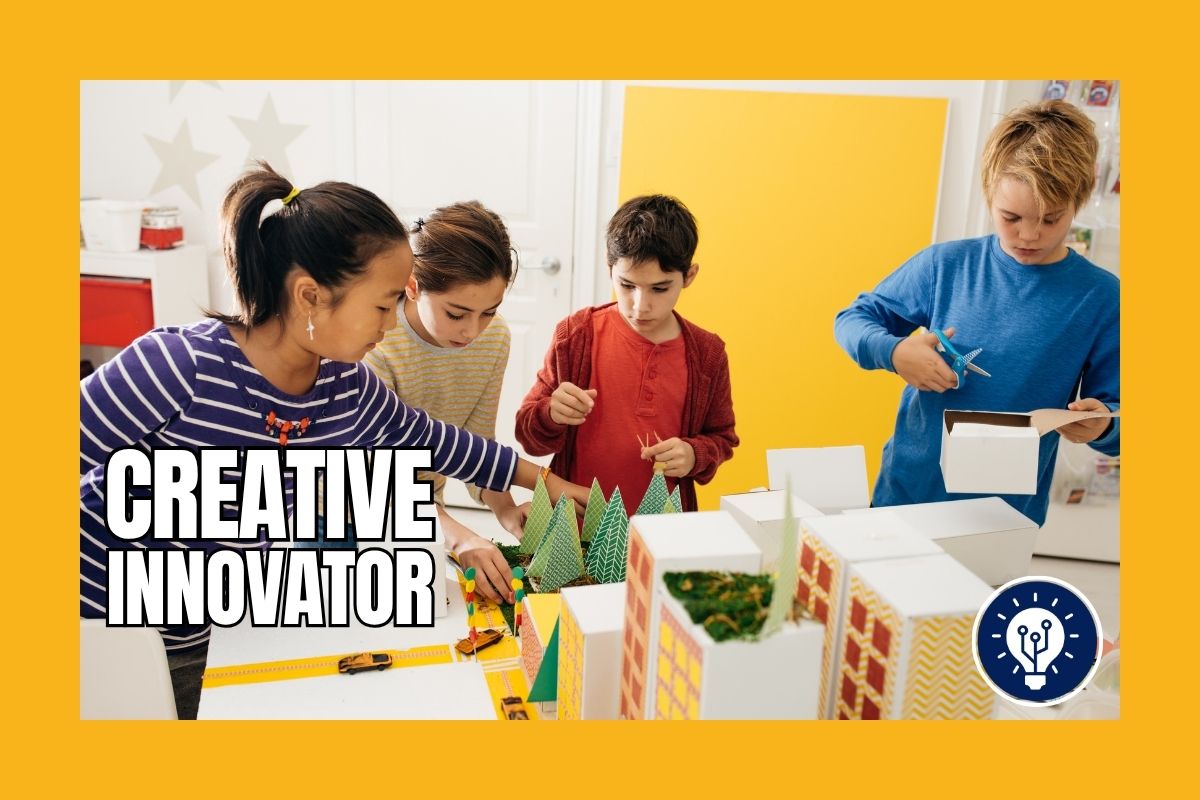
A creative innovator uses imagination, curiosity, and flexible thinking to solve problems. Creative innovators ask questions, consider different possibilities, and develop new ideas or products.
They also understand that a first idea may not always work. They use feedback, learn from mistakes, and make changes when they face a challenge.
Being creative is not limited to art or music. Students can use creativity in every subject and career. They may design an experiment in science, find a new way to solve a math problem, write an original story, or develop a tool that helps their community.
-
What is a critical thinker?
A critical thinker looks closely at information before deciding what to believe or what action to take. Critical thinkers ask questions, examine evidence, and consider whether a source is accurate and trustworthy.
They also identify patterns and connections among different pieces of information. This may require students to use knowledge and skills from several subjects to understand a complicated issue.
Critical thinking does not mean criticizing every idea. It means being thoughtful, curious, and willing to consider different explanations.
-
What is an effective communicator?
An effective communicator shares ideas clearly and confidently. Students may communicate by speaking, writing, or using different types of media, including video, audio, images, and digital presentations.
Effective communicators also understand that messages may need to change depending on the purpose and audience. Explaining an idea to a classmate may be different from presenting information to a school board or writing for a community newsletter.
Communication is not only about speaking or writing. It also requires active listening. Effective communicators pay attention to others, ask thoughtful questions, and consider different viewpoints before responding.
-
What is a global citizen?
A global citizen acts responsibly and ethically in local, global, and digital communities. Global citizens understand that their choices can affect other people and the environment.
They respect different cultures, identities and viewpoints. They use their knowledge and skills to participate in their communities, address problems and contribute to a diverse, democratic society.
Being a global citizen does not only mean learning about other countries. It begins with understanding your own community and recognizing how local choices can connect to larger issues.
-
What does reflective and future-focused mean?
A reflective student takes time to think about experiences, choices, and progress. Students consider what went well, what was challenging, and what they might do differently next time.
Being future-focused means using that understanding to set meaningful goals and make plans. These goals may relate to school, careers, relationships, health or personal interests.
This attribute also includes social awareness and responsible decision-making. Students learn to consider how their words and actions affect others, maintain supportive relationships, and make choices that protect their social, emotional, and mental well-being.
-
What does academically prepared mean?
An academically prepared student demonstrates a strong foundation in the New York State learning standards. These standards describe what students should know and be able to do at each grade level and in each subject.
Academic readiness includes knowledge in areas such as English language arts, math, science, social studies, the arts, technology, and career and technical education. It also includes skills that help students use that knowledge, including reading, writing, research, problem-solving and organization.
An academically prepared student does more than remember information for a test. The student can apply learning to new questions, tasks, and real-life situations.
